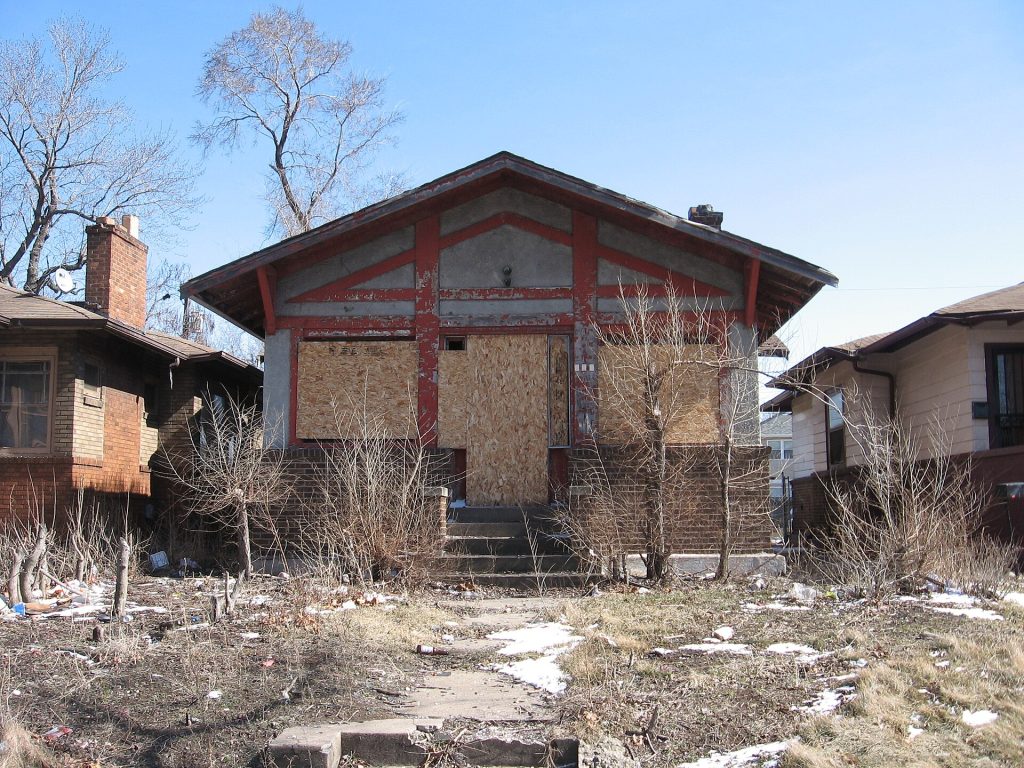
Zombie foreclosures eased nationally, but the count rose in most states
Abandoned homes stuck in foreclosure — so-called “zombie foreclosures” — became slightly less common across the United States in the fourth quarter of 2026. ATTOM counted 8,040 zombie properties in the quarter, or 3.0 percent of the 269,195 residential properties in foreclosure. That share was down from 3.3 percent in the third quarter and 3.3 percent a year earlier.
A zombie foreclosure is a home whose owner has moved out and abandoned the property before the foreclosure is completed. The house sits vacant while the legal process runs its course, often falling into disrepair and dragging down the surrounding block. The overall vacancy rate also ticked down, to 1.2 percent from 1.3 percent in the third quarter and a year earlier.
| Key figure | Q4 2026 | Comparison |
|---|---|---|
| Residential properties in the foreclosure process | 269,195 | Out of 105.1 million properties analyzed |
| Zombie foreclosures (vacant, in foreclosure) | 8,040 | 3.0% of foreclosure properties |
| Zombie foreclosure rate | 3.0% | Down from 3.3% in Q3 2026 and Q4 2025 |
| National residential vacancy rate | 1.2% | Down from 1.3% in Q3 2026 and Q4 2025 |
| California zombie foreclosures | 267 | Down 10.4% from Q3 2026 |
| Florida zombie foreclosures | 2,220 | Down 19.6% from Q3 2026; still the largest count |
| Vacant investor-owned homes | 840,384 | 2.7% of 30.6 million investor-owned homes |
The national improvement hides a split by state
The headline improvement was not broad-based: zombie counts rose quarter over quarter in 29 states, a sign that the decline was driven by a few large states rather than a nationwide trend. Among states with at least 50 zombie properties, the largest quarterly increases were in Wisconsin (up 20.9 percent, to 52), Maryland (up 19.2 percent, to 180), Pennsylvania (up 17.2 percent, to 252), Texas (up 15.7 percent, to 192), and North Carolina (up 15.2 percent, to 129).
The biggest declines came in Arizona (down 34.9 percent, to 56), Florida (down 19.6 percent, to 2,220), California (down 10.4 percent, to 267), South Carolina (down 9.6 percent, to 141), and Oklahoma (down 8.9 percent, to 82). Florida still holds by far the largest number of zombie properties in the country, so its decline did much of the work in pulling the national rate down.
Vacancy is concentrated in a few metros — and a few zip codes
ATTOM analyzed 164 metropolitan areas with enough foreclosure activity to measure. The highest zombie rates were in Baltimore, Maryland (13 percent of foreclosure properties vacant), Youngstown, Ohio (13 percent), Akron, Ohio (11.5 percent), Cedar Rapids, Iowa (10.7 percent), and Scranton, Pennsylvania (9.4 percent). At the other end, ten metros had no zombie properties at all, the largest being Bridgeport, Connecticut; El Paso, Texas; Little Rock, Arkansas; Fayetteville, Arkansas; and Visalia, California.
Among 2,585 zip codes with enough data, the highest zombie rates were in Baltimore’s 21205 (42.5 percent) and 21223 (40 percent), Indianapolis’s 46201 and 46218 (both 32.3 percent), and Carthage, New York’s 13619 (32.1 percent).
Vacancy is also higher among investor-owned homes than in the market as a whole. Institutional investors held 30.6 million homes in the fourth quarter, and 2.7 percent of them — 840,384 properties — were vacant. The highest investor-vacancy rates were in Indiana (6.5 percent), Alabama (5.8 percent), and Oklahoma (5.4 percent).
What this means for homeowners and buyers
For homeowners at risk of foreclosure, the zombie numbers are a warning about what happens when a household walks away early. Leaving a home before the foreclosure is finished does not end the owner’s obligations, and an empty house deteriorates fast — broken pipes, vandalism, and code violations can add costs that follow the former owner. Anyone struggling with payments should look at the options to avoid foreclosure before abandoning the property, and understand each step of the foreclosure process so they know how much time they actually have.
For buyers and investors, a falling national zombie rate means fewer distressed, deteriorating homes reaching the market as bank-owned properties. But the 29 states where zombie counts rose — and the double-digit zombie rates in metros like Baltimore and Youngstown — point to pockets where vacant foreclosures are piling up, and where patient buyers may find the deepest discounts. Our guide to find foreclosures explains where to look, and our Start Here page is the best first stop for anyone new to the process.
What to watch next
Whether the 29-state rise in zombie counts continues into early 2027, when ATTOM releases its first-quarter report, and whether the foreclosure pipeline keeps growing — ATTOM’s mid-year report showed filings up 21 percent in the first half of 2026. Watch Florida in particular: its zombie count fell sharply this quarter, but it still accounts for more than a quarter of all zombie foreclosures in the country.
Sources: ATTOM, “Q4 2026 Vacant Property and Zombie Foreclosure Report,” October 29, 2026; ATTOM, “Mid-Year 2026 U.S. Foreclosure Market Report,” July 16, 2026.